

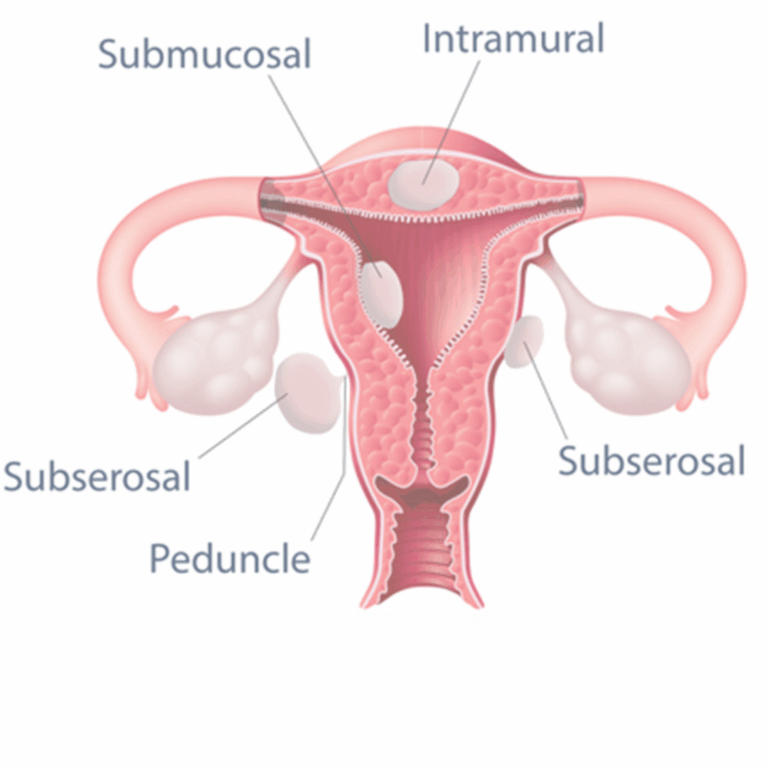
Thank you for tuning into part 2 of 3 of uterine fibroids. Please read 4 ways on how to manage fibroids below, and more on the next post!
Usually the cysts and fibroids are formed due to accumulation of Kapha dosha, along with aggravation in Vata + Pitta.
Artava Vaha Srotas consists of tissues, secretions + contents of uterus, ovaries, fallopian tubes, breasts, + the channels which carry out female reproductive functions. If Kapha accumulates, these mass deposits can migrate to other parts of this system.
Psycho–biological traits timing and coordination governs Vata. The rise in temperature, circulation of blood, blood pH, and the interface between the systems is managed by the Pitta dosha.
Managing Uterine Fibroids
I treat uterine fibroids, with holistic interventions that are beneficial in managing symptoms + improving overall well-being. My approaches include nutrition, herbal supplements, stress management, and physical activity and more…
1. Biometric Hormone Test that I implement which helps identify what specific polyherbal formulas to implement for my clients. This also helps me identify which accumulation of dosha is most present, as well as the root of your hormone imbalances.
2. Herbal Remedies For Uterine Fibroids
I create a targeted medicine plan for each client to balance hormones without the negative side effects of conventional synthetic hormones.
Polyherbal formulas, (phytocrines) share key features with natural hormones. I focus on flushing out toxins accumulated in the body, and regulating blood sugar levels. Also, supporting the thyroid by balancing the secretion of thyroxin. My custom blends helps the excessive growth of fibroids, lipoma, ovarian cysts, glands, tumours, & cancers. As well as, maintain healthy cells + tissue, reducing excess bleeding and inflammation.
3. Foods To Include – Depending On Body-Type/Imbalances
- Fruits & Vegetables: A variety of colourful, nutrient-dense foods rich in antioxidants and vitamins.
- Healthy Fats: Incorporate omega-3 fatty acids found in fatty fish (salmon, mackerel), flaxseeds, + walnuts to reduce inflammation.
- Whole Grains & Fibre: Foods high in fibre, like quinoa, brown rice, whole wheat, + legumes, help regulate estrogen levels + reduce constipation, which can exacerbate fibroid symptoms.
- Tastes: Pungent, bitter and astringent tastes help in reducing the tendency of fibroid by enhancing metabolism.
4. Foods To Avoid – Depending On Body-Type/Imbalances
- Red Meat: High consumption of red meat may increase the risk of fibroid development, so try to limit intake. Grass fed, organic is best.
- Dairy Products with Added Hormones: Dairy that contains added hormones may disrupt the hormonal balance in the body, potentially exacerbating fibroid growth.
- Processed Foods: Minimize processed + fried foods, which can increase inflammation and contribute to estrogen dominance.
Stay tuned for Part 3. Happy Health!
