

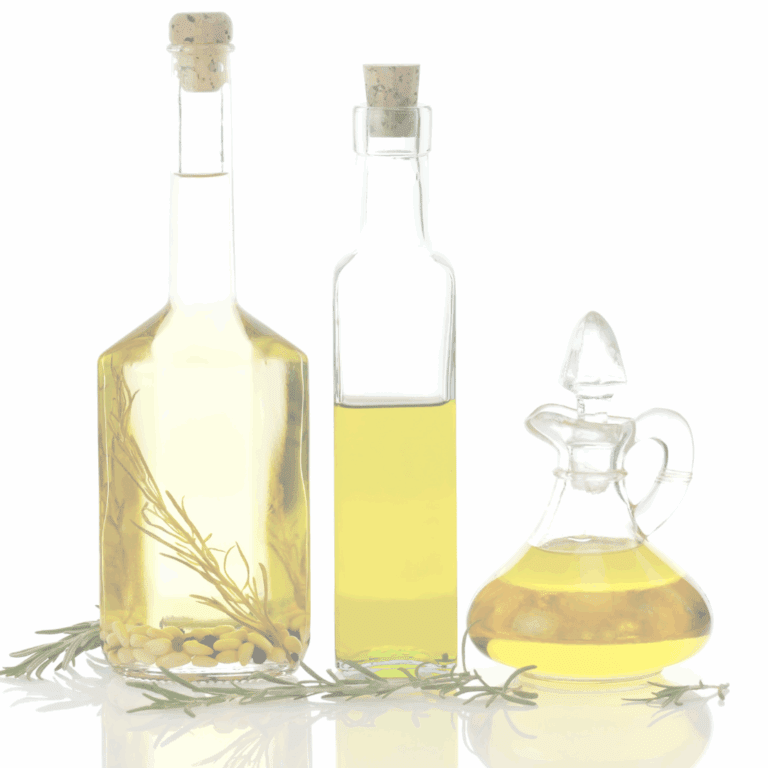
Enjoy reading about what cooking oils might be best for you. 💕✨
As per Ayurveda, choosing an oil to cook with depends on your overall body health, doshic imbalances, Prakruti (body type), and your digestive capacity.
Also, if you have always used certain oils and it works for you, all good. Ayurveda teaches us to listen to our bodies, balance, and honour individual principles.
- Vata – Use warming oils like, ghee, + sesame oil for optimal digestion. Helps joint, and tissue health.
- Pitta – Use cooling oils like, coconut oil.
- Kapha – Use lighter oils, that combat the heavy qualities of Kapha like, mustard oil. Use oils in moderation for Kapha.
Most people know to avoid sunflower, safflower, and canola oils, because they are highly refined. I use to use it in the past, not now.
If you use olive oil in cooking, use cold pressed, extra virgin olive oil. Do not use in high heat cooking.
A good versatile, high heat cooking oil is coconut oil. Use for high heat cooking like, stir fry.
What I grew up eating a lot of was ghee in cooking. Ayurveda’s go to oil. Be careful ingesting this if you have high Kapha, sensitive digestion, chronic indigestion, heart disease, high cholesterol, and liver issues.
Ghee is great because it contains healthy fats, which support digestion/gut health, because it contains butyric acid.
Ghee heals the intestinal lining, and stimulates stomach acid, and digestive enzyme production – aids breaking down food, and helps nutrient absorption.
Ghee contains omega 3 fatty acids, which helps protect against heart disease, and can reduce inflammation.
Linoleic acid in ghee, may reduce inflammation, support bone, and joint health.
Ghee consists of lipids, and triglycerides, which are esters formed by the combination of glycerol and three fatty acids.Also, contains, fat soluble vitamins (A, D, E, and K2), and sterols.
Contains phospholipids, lipids that contain a phosphate group, + play a role in cell structure and function.
Ghee contains, free fatty acids, not bound to glycerol in a triglyceride.
Take notes, and be mindful of how these oils impact your digestion, and use what is best for your individual needs.
Enjoy.
